Auto & Truck Accidents
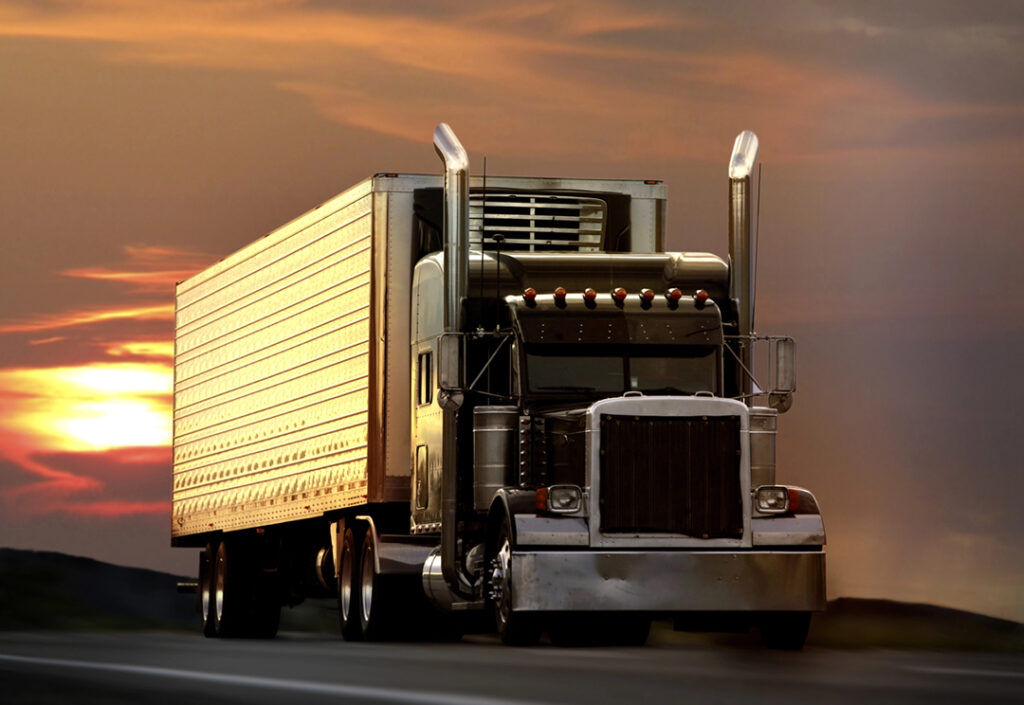
Motor vehicle collisions—especially those involving commercial trucks—can cause devastating injuries and complex legal challenges. At Keeler & Keeler, we help victims pursue justice under both New Mexico and Navajo Nation law.
Under New Mexico Law
New Mexico follows a comparative negligence model, meaning fault can be shared among multiple parties. Victims may still recover damages even if they’re partially at fault, though compensation is reduced proportionally.
Key legal principles include:
- Negligence & Liability: Drivers, trucking companies, and third parties can be held liable if their actions contributed to the crash
- Vicarious Liability: Employers may be responsible for their drivers’ negligence if the driver was acting within the scope of employment
- Federal Motor Carrier Safety Regulations: These govern driver qualifications, hours of service, cargo handling, and vehicle maintenance
- Statute of Limitations: Victims typically have three years from the date of the accident to file a personal injury claim
Common causes include speeding, distracted driving, fatigue, improper cargo loading, and failure to maintain vehicles.
Under Navajo Nation Law
When dealing with auto and truck accident claims on Navajo land, one must consider Navajo case law, common law, customs, and traditions, as well as tribal sovereignty. Additionally, it is important to take into account state and federal laws, and regulations.
Key distinctions:
- Jurisdiction: Tribal courts generally have authority over accidents occurring on Navajo land.
- Restorative Justice: Claims often emphasize restoring hózhó—balance and harmony—rather than focusing solely on restitution and monetary damages
- Procedural Differences: Tribal courts may use traditional dispute resolution methods
- Compensation: Damages based on Navajo case law, statutory laws, and Navajo custom and traditions
- Navigating these claims requires deep respect for tribal law, culture, and jurisdictional nuance